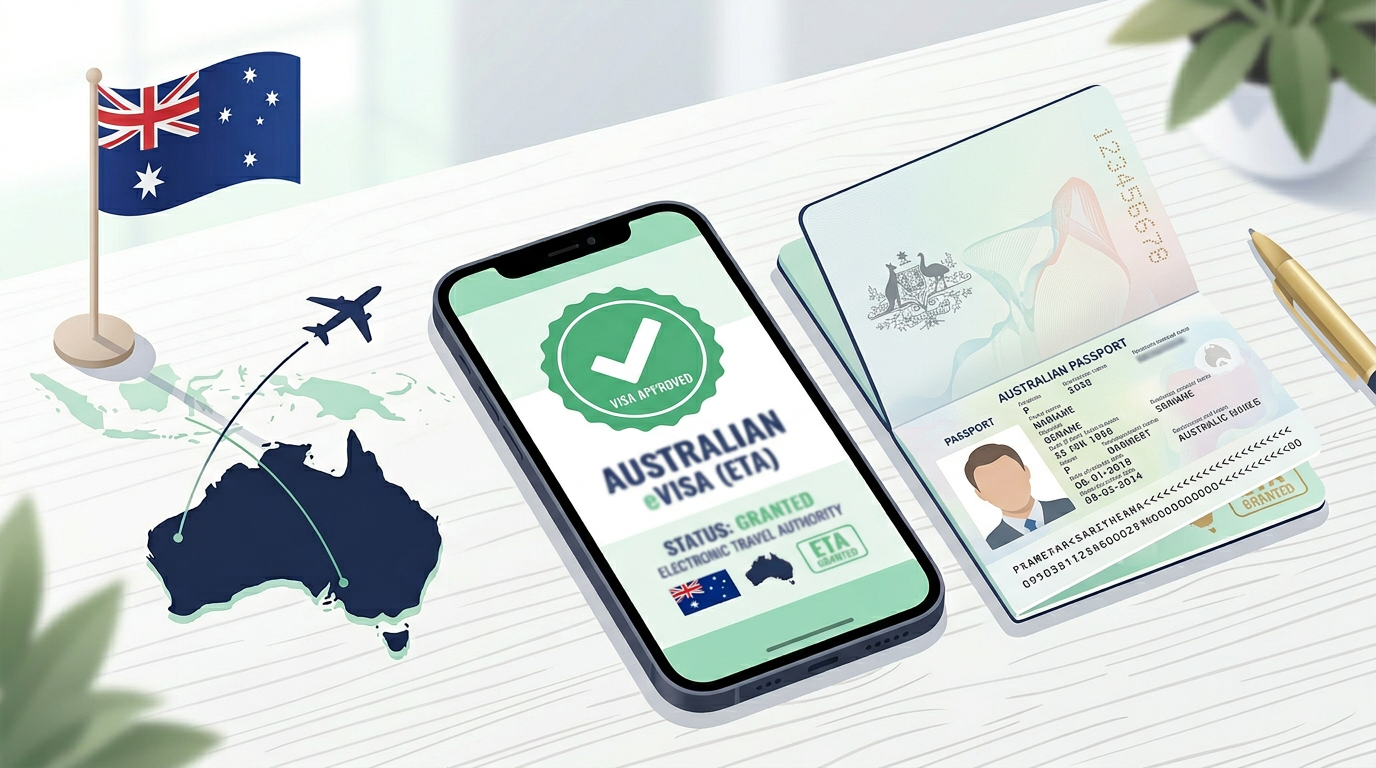
From eVisas to electronic travel authorisations, paper is disappearing from border control. We look at what is driving the shift, the benefits, the risks, and how to protect yourself in a digital-first world.
A decade ago, applying for a visa often meant posting your physical passport to an embassy, waiting weeks, and hoping it came back with the right sticker inside. Today, a growing share of the world’s travel permissions are issued electronically and linked directly to your passport chip. The paper visa is quietly disappearing. Here is why — and what it means for the way you plan a trip.
What is actually changing
Countries around the world are replacing paper visas and ink stamps with three broad types of digital permission:
- eVisas — full visas applied for and issued online.
- Electronic Travel Authorisations — lighter pre-travel approvals for visa-exempt visitors (the UK ETA, US ESTA, Canada eTA, ETIAS and others).
- Digital entry/exit records — systems that register your border crossings electronically instead of stamping your passport.
What is driving the shift
Three forces are pushing governments in the same direction:
- Security. Digital records are far harder to forge than a paper sticker, and they let authorities pre-screen travellers before they arrive.
- Efficiency. Automated checks move queues faster and reduce manual paperwork at the border.
- Data. Electronic systems give governments a clearer picture of who is in the country and for how long.
Travellers, meanwhile, get convenience: you can usually apply from your phone, at any hour, without mailing anything anywhere.
The benefits for travellers
- Speed. Many authorisations are decided in hours rather than weeks.
- Convenience. No embassy visit, no posting your passport, no lost documents in transit.
- Multiple entries. Most electronic authorisations cover several trips over one or two years.
- Less to carry. Your approval is tied to your passport, so there is nothing extra to lose.
The new risks — and how to manage them
Digital convenience comes with a shift in responsibility. When a human officer stamped your passport, small inconsistencies were often smoothed over in person. When a computer matches your data, they are not. That raises the stakes on accuracy.
- Your data must be exact. A mistyped passport number or a name that does not match your passport can cause an automatic rejection.
- Your authorisation is tied to one passport. Renew it and your approval may no longer be valid.
- Look-alike websites are common. Always make sure you understand whether you are on an official government site or using a private assistance service, and what each charges.
How to protect yourself
- Double-check every field against your passport before submitting.
- Apply with the passport you will actually travel on.
- Keep a copy of every confirmation email and reference number.
- Give yourself a time buffer before booking non-refundable travel.
Where we fit in
The move to digital is genuinely good news for travellers, but it puts the burden of accuracy squarely on the applicant. That is exactly where a careful review before submission earns its keep. GeteVisa is an independent private assistance service: we help you prepare and submit applications correctly, our fee is separate from any government charge, and final approval always rests with the relevant authority. You can also apply directly through official government websites without using our service.